Preventing Disabled Snakes Through Community Outreach
Call Corbin Campaign
Wildlife Conservation
Industry
Corbin Local Wildlife is a small, but mighty, nature reserve on the Caribbean island of Tobago, focused on the rescue, rehabilitation and education of native wildlife. The co-founders, Ian and Roy, run guided tours and a wildlife relocation service, care for the animals, as well as raise awareness about illegal hunting and the exotic pet trade.
After speaking at Bounce in January 2025, we connected with Ian Wright, the inspirational co-founder of Corbin Local Wildlife.
Over 9 weeks, we redesigned a fragmented visitor experience and built sustainable systems across digital and physical touchpoints. Read more
In parallel, we led a community outreach campaign focused on reducing fear-driven harm to snakes.
_
Partner: Corbin Local Wildlife
Video editor: Cam Peddle

The Question
How might we stop more attacks on snakes?
Corbin Local Wildlife runs a free snake relocation service, helping people safely remove snakes from homes, farms and public spaces. Despite the service being available, many people didn’t know it existed. Instead, when snakes appear, fear takes over and they’re often injured or killed. Many are struck in a way that causes them to lose their strike mechanism and unable to survive in the wild. This has wider consequences too, with farmers reporting rodent problems as snake populations decline.
People wanted help, but fear, misinformation and lack of awareness shaped how they reacted. The challenge wasn’t motivation — it was capability and opportunity.

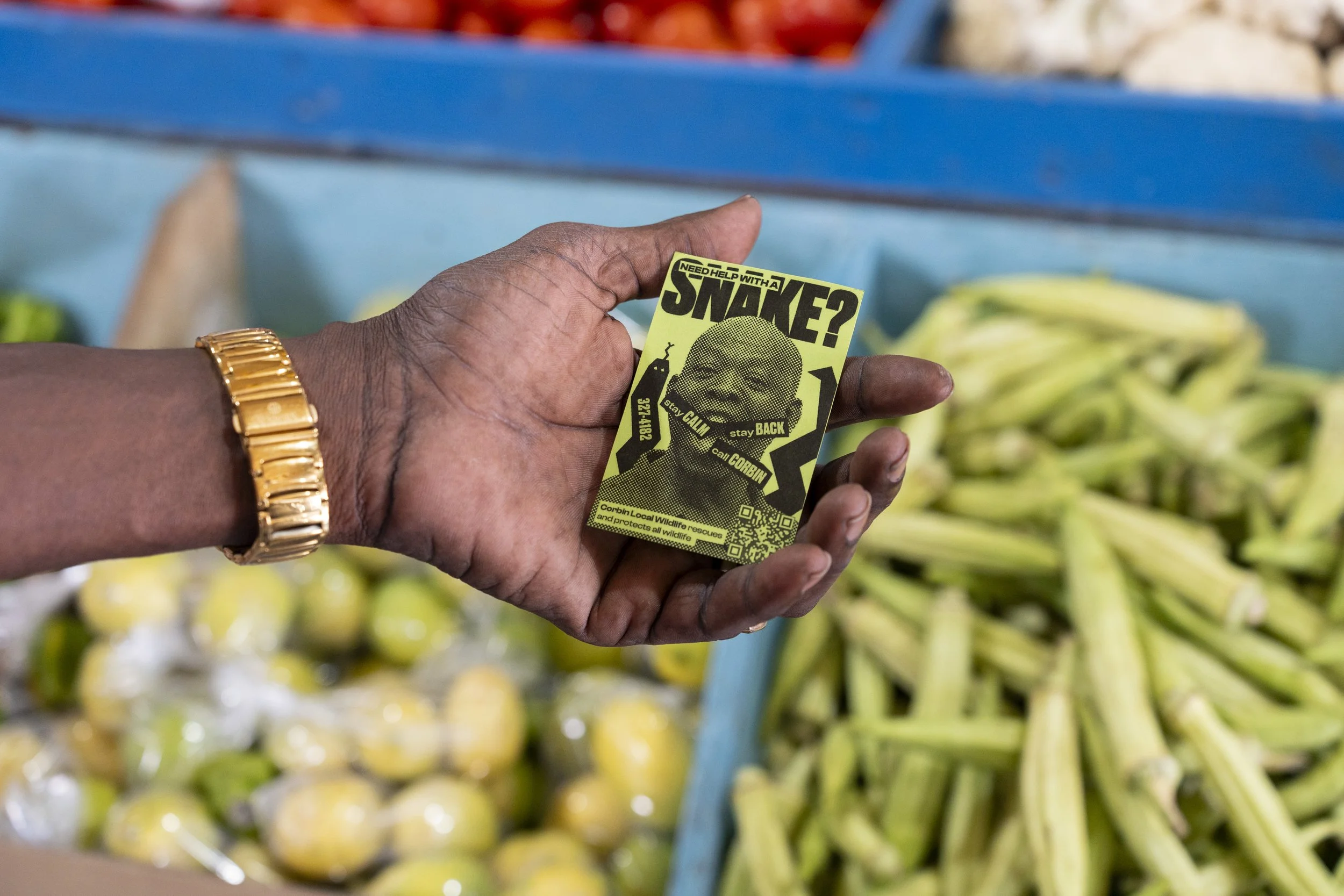
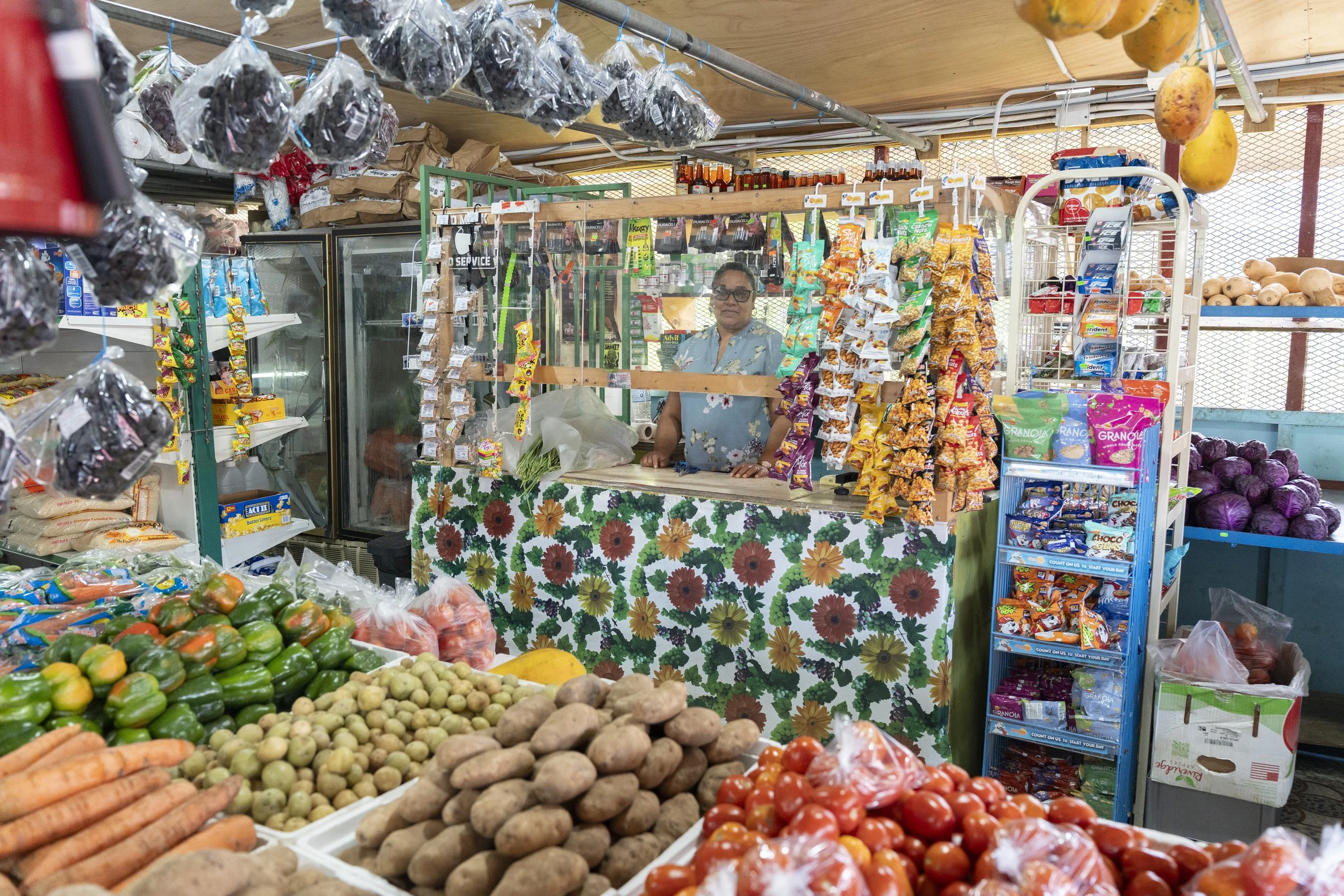
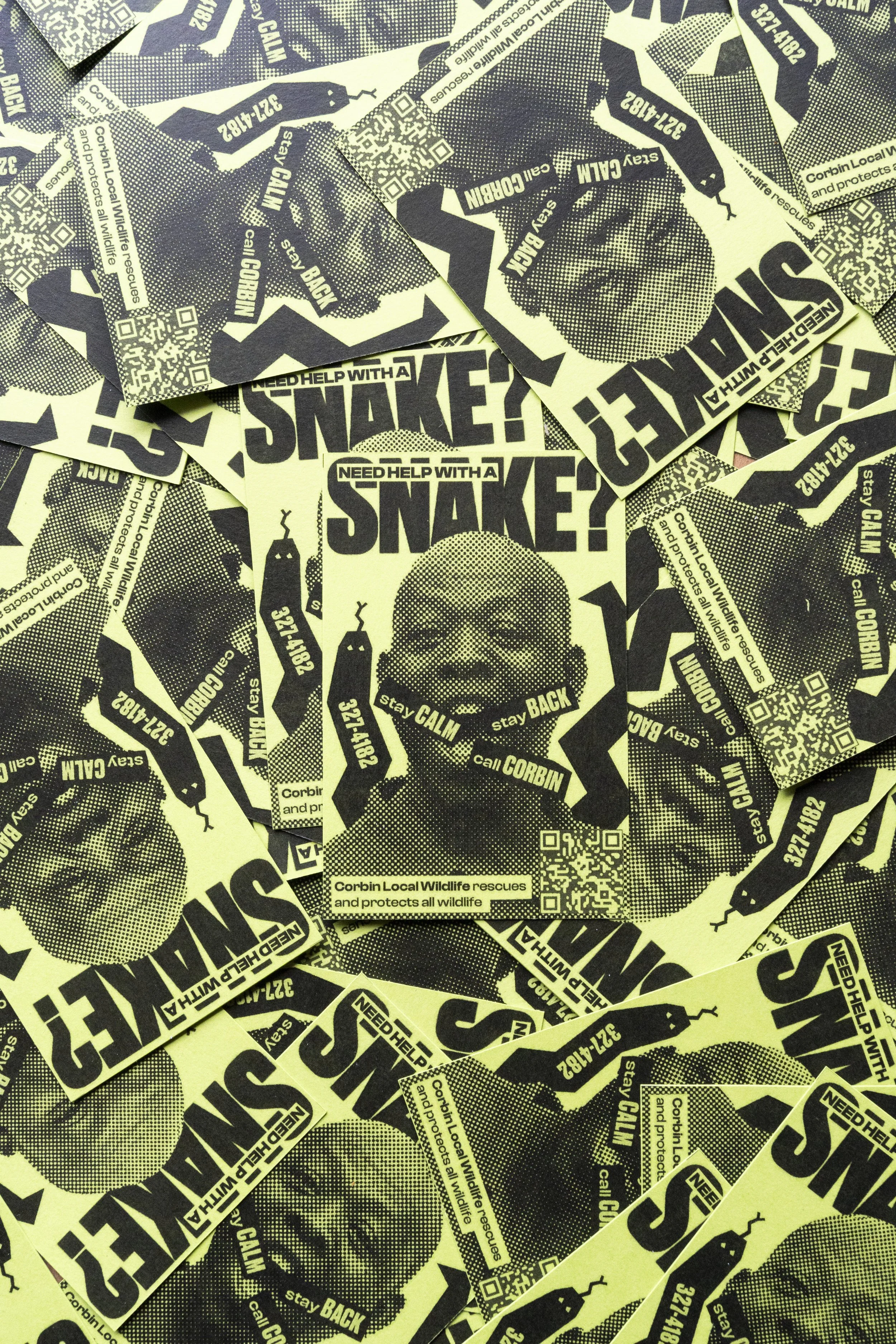
Inspired by a mental health info card spotted in a local fruit shop, we created mini flyers.
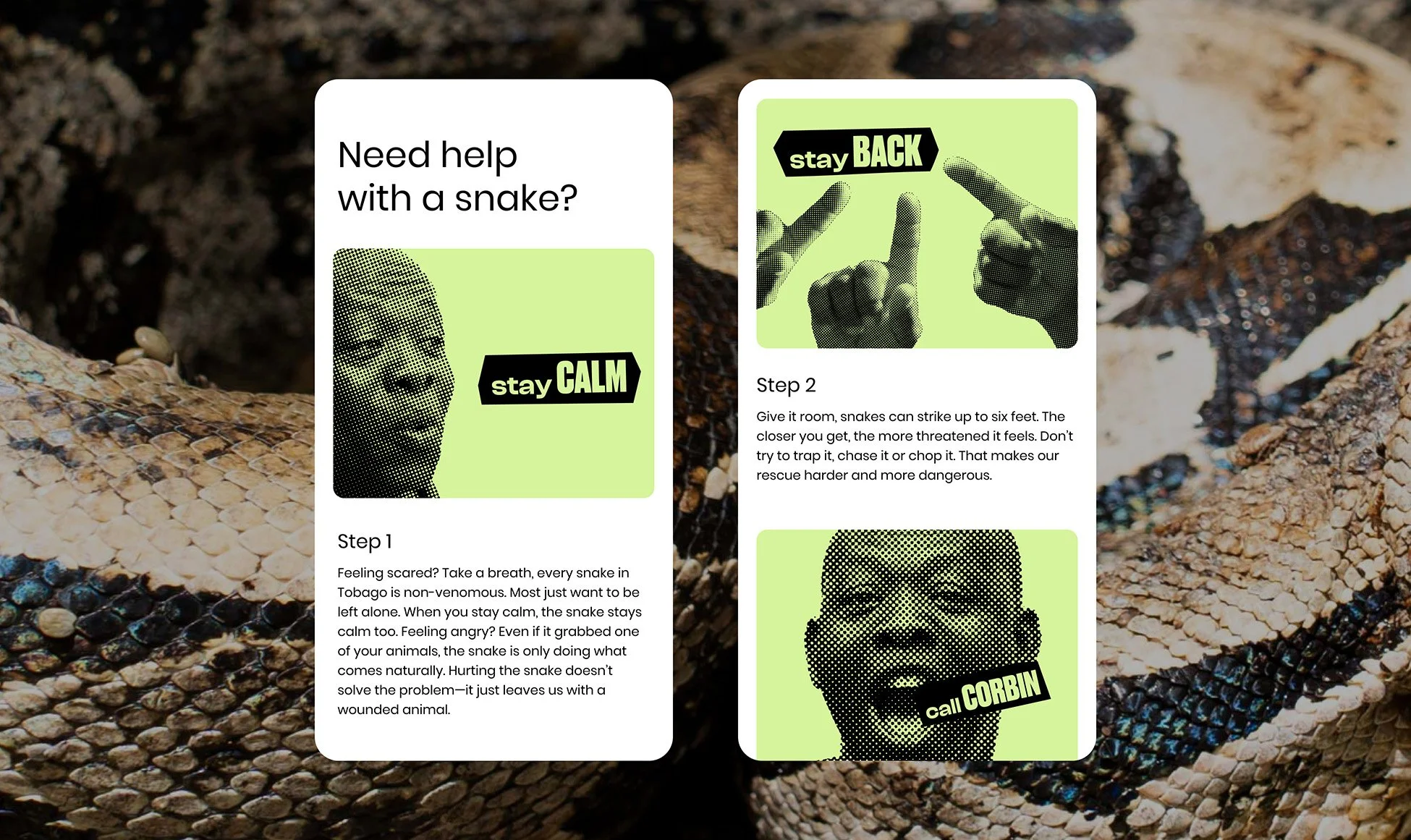
We designed a dedicated webpage accessed via the QR code on the mini flyer.
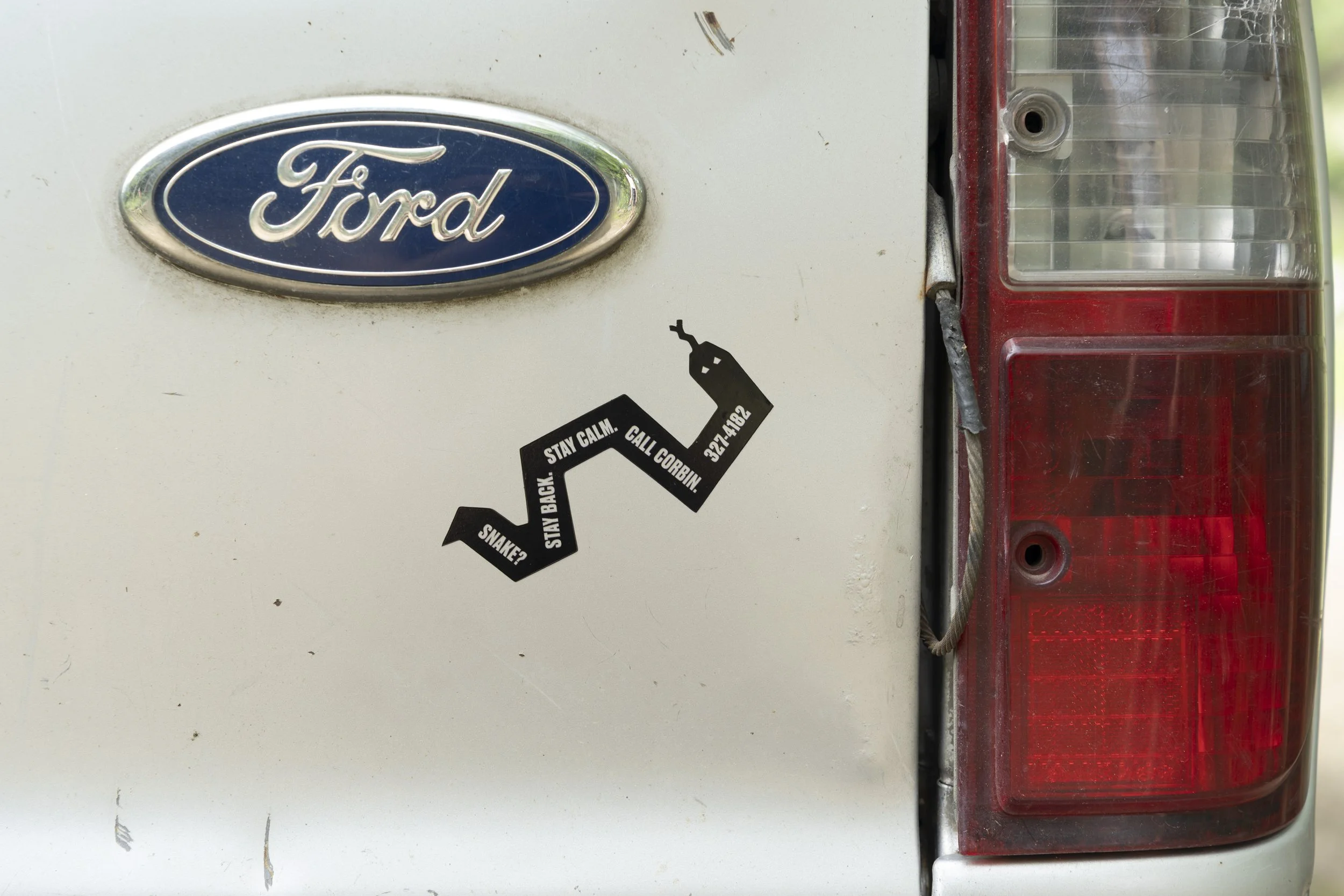
Snake stickers advertise the service around the island
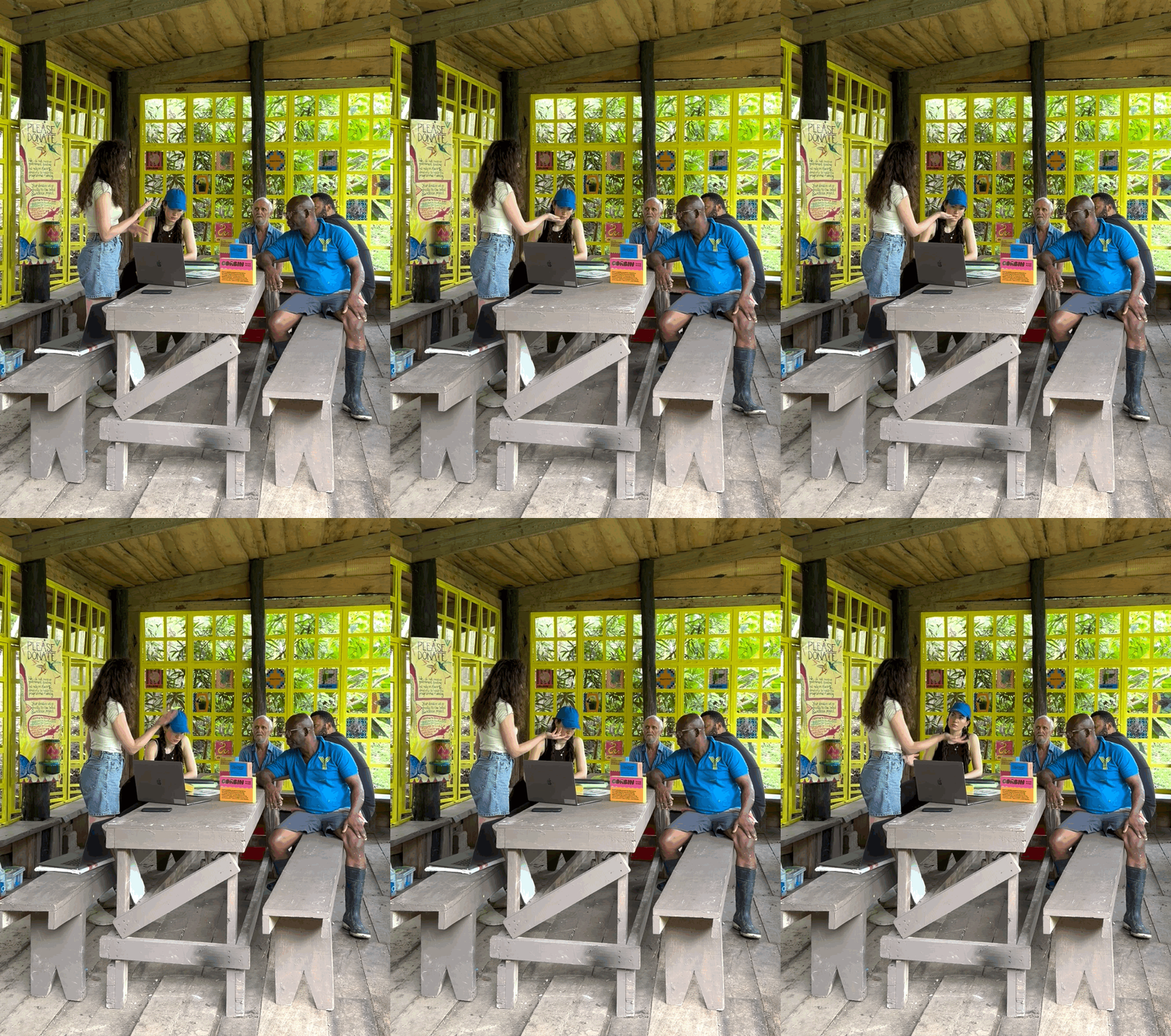
The Approach
-
We approached the Call Corbin campaign through a behavioural design lens, using the COM-B model to understand what was preventing better responses. The service already existed (and was free), and people often wanted help, but fear, misinformation and low awareness shaped decisions in the moment. Our focus became designing for stress, using short, snappy action phrases people would remember: Stay calm. Stay back. Call Corbin.
-
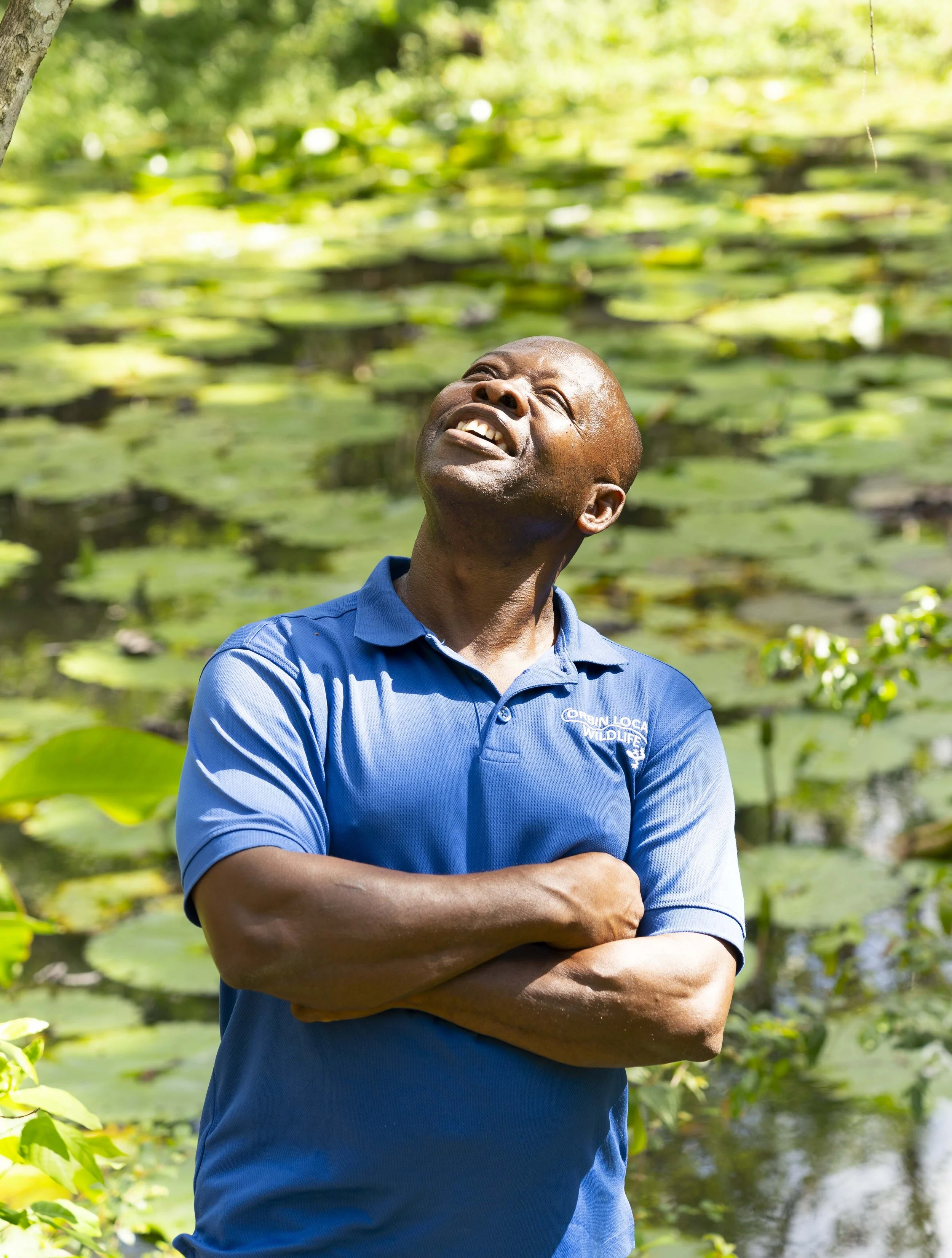
The campaign was inspired by a simple business-card-sized mental health info card we spotted in a local fruit shop. What stood out was the bold headline, “Depressed?”, followed by a simple instruction for why and who to call, readable at a glance even at business-card size. To build trust, we used Roy’s face as a familiar anchor for the campaign, making it clear who to call and reinforcing that help was close by.
-
We rolled out a connected campaign across physical and digital touchpoints, from mini flyers with QR codes to graphic stickers placed on cars and cooler boxes. Scanning the code leads to a dedicated webpage with access to the campaign video and clear, step-by-step guidance. Each element was designed to be easy to share, quick to understand and usable in the moments it mattered most.
The Outcome
More Calls to Corbin!
The Call Corbin campaign helped turn a service that already existed into something people know about. Instead of fear turning into harm, the campaign gives people calm, simple instructions to follow if a snake appears. Early feedback suggests more calls about snakes, pointing to growing awareness and safer outcomes for both people and wildlife.
For the team, we focused on reducing pressure rather than adding to it. A low-cost solution that can be photocopied at the local print shop means the campaign can continue without our ongoing support. The result is a tangible, more confident way to share a service that was already doing important work.
Unexpected Learnings
-
Before leaving for Tobago, we had numerous Zoom calls with the founders to understand Corbin Local Wildlife and get ahead of the project. We drafted a plan focused on illegal hunting, with bright ideas about how we might reduce overhunting, protect endangered species and discourage hunting out of season.
Then we arrived. Very quickly, we learned the reality on the ground — the culture, the context, and the people involved. We realised that addressing illegal hunting directly wasn’t just unrealistic within nine weeks, but potentially dangerous. The Call Corbin campaign became a different, safer route into the same intention.
-
Overall, we learned so much from Ian over dinner each night — stories about critters, ecosystems and the quiet logic of the forest. We started to see how interconnected everything is in ways we’d never thought about. Hunters using wild dogs to chase sheep through long grass led farmers to cut it back, wiping out habitat for native butterflies. Killing snakes meant an increase in rodents, which then moved straight into farmers’ crops. The scorpion mud turtle acts as a literal forest cleaner, eating what’s left on the forest floor and stopping it from stinking. We learned the term extirpated — a species gone from one place but still existing somewhere else. When you live in a treehouse in the forest for 9 weeks, it’s hard not to see things from a new angle. We're still city girls though.
Our impact
“We’re getting way more calls to rescue snakes these days.”
Michael continued to say “I can only assume it’s because of the Call Corbin campaign. The video and stickers must be paying off!”