Building a Connected Wildlife Experience in Tobago
Corbin Local Wildlife
Wildlife Conservation
Industry
Corbin Local Wildlife is a small, but mighty, nature reserve on the Caribbean island of Tobago, focused on the rescue, rehabilitation and education of native wildlife. The co-founders, Ian and Roy, run guided tours and a wildlife relocation service, care for the animals, as well as raise awareness about illegal hunting and the exotic pet trade.
After speaking at Bounce in January 2025, we connected with Ian Wright, one of the inspirational co-founders of Corbin Local Wildlife.
Over 9 weeks, we redesigned a fragmented visitor experience and built sustainable systems across digital and physical touchpoints.
In parallel, we led a community outreach campaign focused on reducing fear-driven harm to snakes. Read more
_
Partner: Corbin Local Wildlife
The Question
How might we join up a fragmented visitor experience and build sustainable systems the team can rely on day to day?
Like many small non-profits, Corbin Local Wildlife grew in an ad hoc way, shaped by immediate needs rather than a shared, long-term vision. Through conversations with visitors and local residents, we explored how people experienced Corbin Local Wildlife before, during and after a visit.
A clear pattern emerged. Many visitors arrived with misconceptions, some expecting a petting zoo rather than a wildlife sanctuary, and left inspired but unsure how they could continue supporting the work. While tours were rich in learning, much of that knowledge lived in spoken stories, making it difficult to retain or share beyond the moment.

The Approach
-
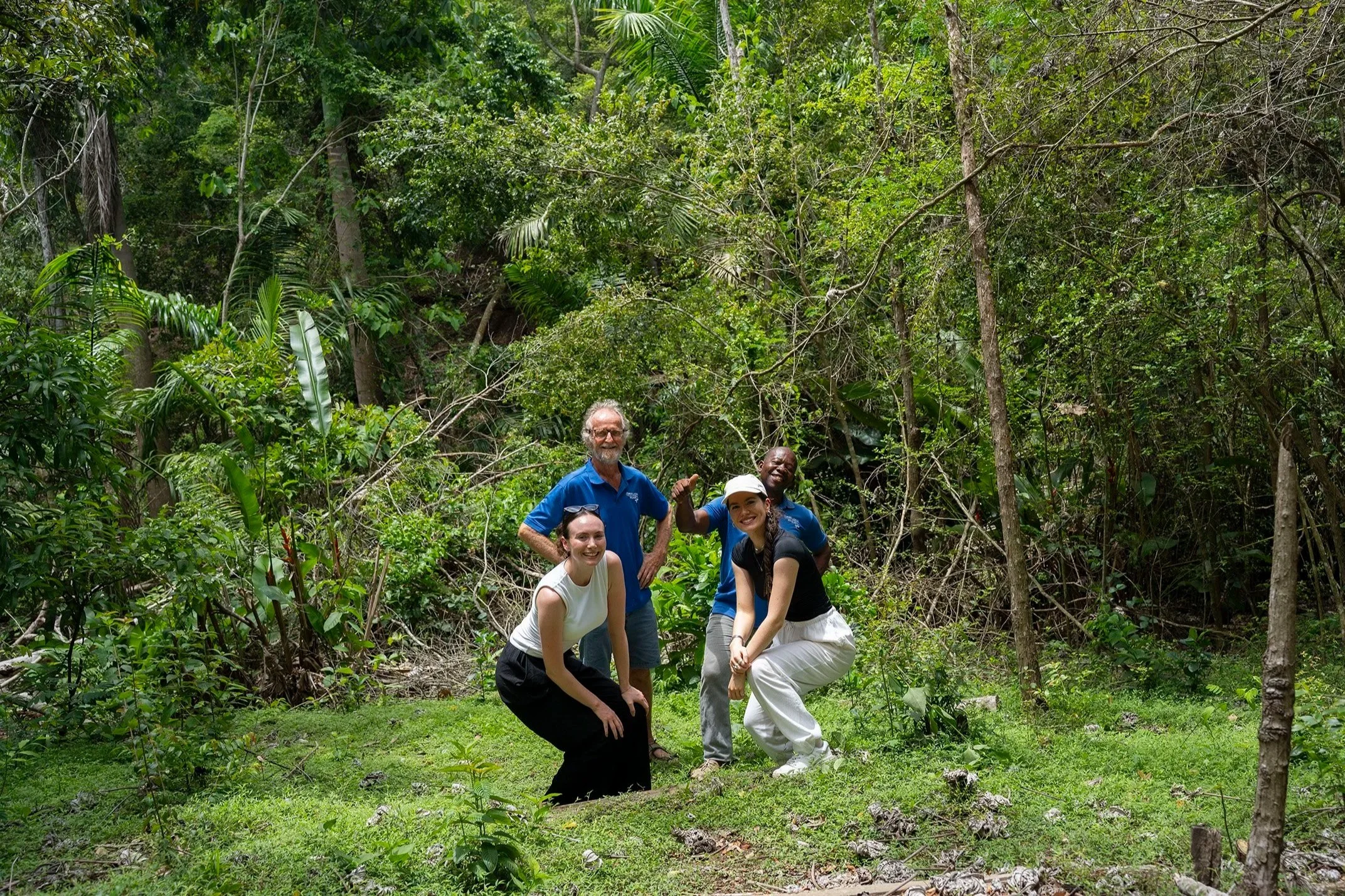
We began by immersing ourselves not just in the reserve, but in the rhythms of daily life in Tobago — its wildlife, people, culture and community. We shadowed staff through feeding routines, joined public tours, chatted with taxi drivers, met local conservationists and limed with neighbours. We even had a meeting with the local wildlife wardens who patrol the bush! This wide-angle lens helped us understand the ecosystem Corbin Local Wildlife operates within and the mix of perceptions, expectations and constraints shaping its impact.
-
We mapped the end-to-end visitor experience and audited every touchpoint. From print materials and signage, to booking flows and donation processes. This made gaps and disconnections immediately visible, helping us understand why the experience felt fragmented — and revealing low-hanging opportunities, without adding unnecessary complexity.
-
Rather than looking to Pinterest for inspiration, we looked to Tobago itself. We were inspired by surprising brick patterns, contrasting colour combinations and the wonky charm of hand-made signage. Through visual ethnography, we colour-dropped from what we saw around us and traced shapes directly from the built environment, using these local references to shape a visual language that felt familiar, energetic and rooted in place.
-
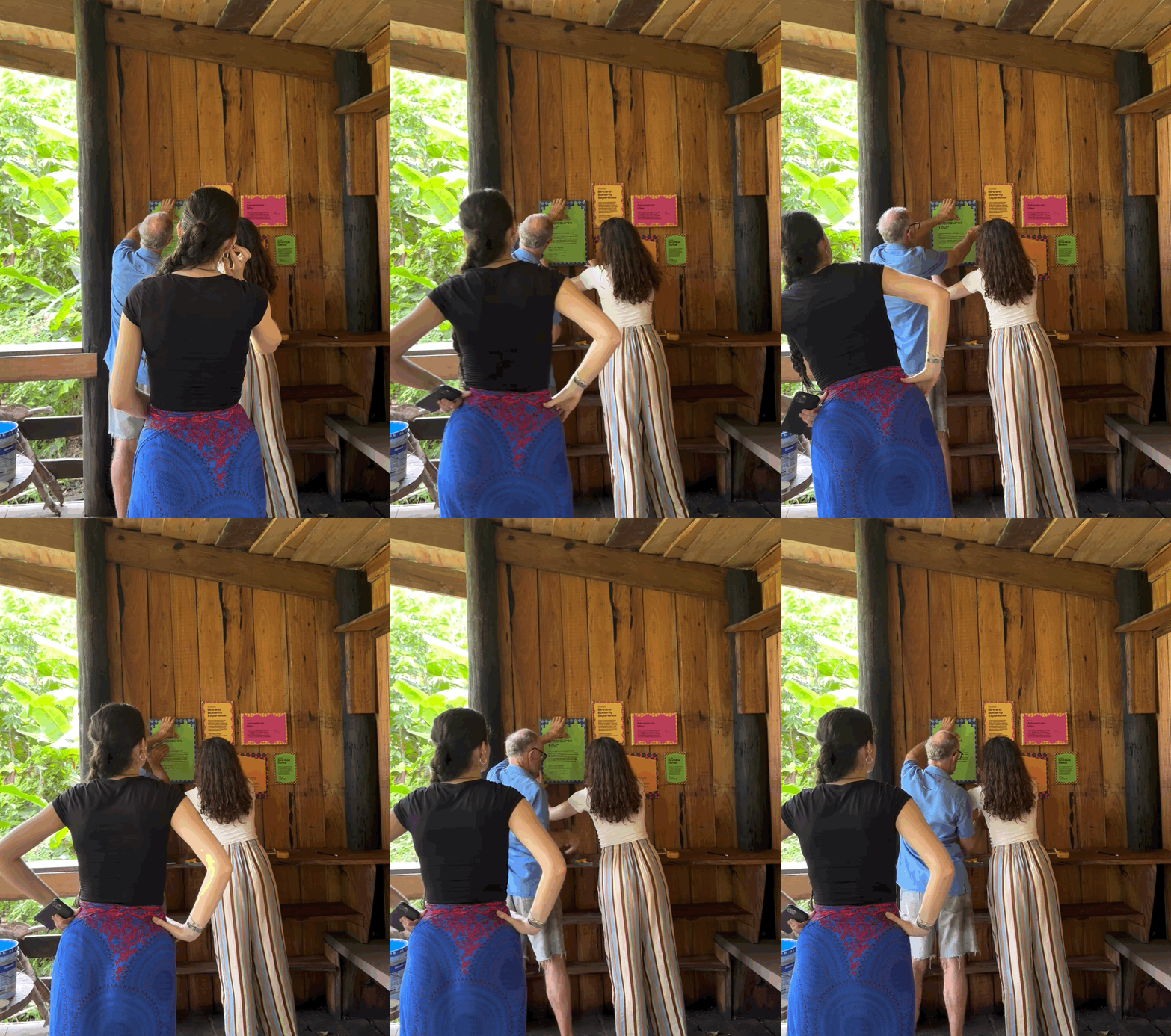
Prototyping was key. Content was tested with staff, signage was trial-printed and refined and installations were built with available tools and materials. We even chased local experts around the island to fact-check our work.
We designed low-maintenance, high-impact interventions, all deliverable by the Corbin Local Wildlife team. grounded in real-world constraints and workflows. -
Every piece of work was tested, printed and installed on the ground (to the last minute!), ensuring our ideas didn’t stay in Figma, but landed where they could make a real difference.
Data Collection
Before this project, much of Corbin Local Wildlife’s educational information was inconsistent or undocumented. Enclosure signage was built on unverified wiki content and tour guides had no shared reference point for facts, stories or learning.
To create accurate, usable content, we gathered and drafted information from tour-shadowing, then brought guides together to collaborate and fact-check as one team. We validated this further with local experts, capturing a body of knowledge that could be reused across touchpoints. This data collection work became the start of Corbin Forest School — a research-led initiative for documenting and sharing Corbin Local Wildlife’s knowledge.
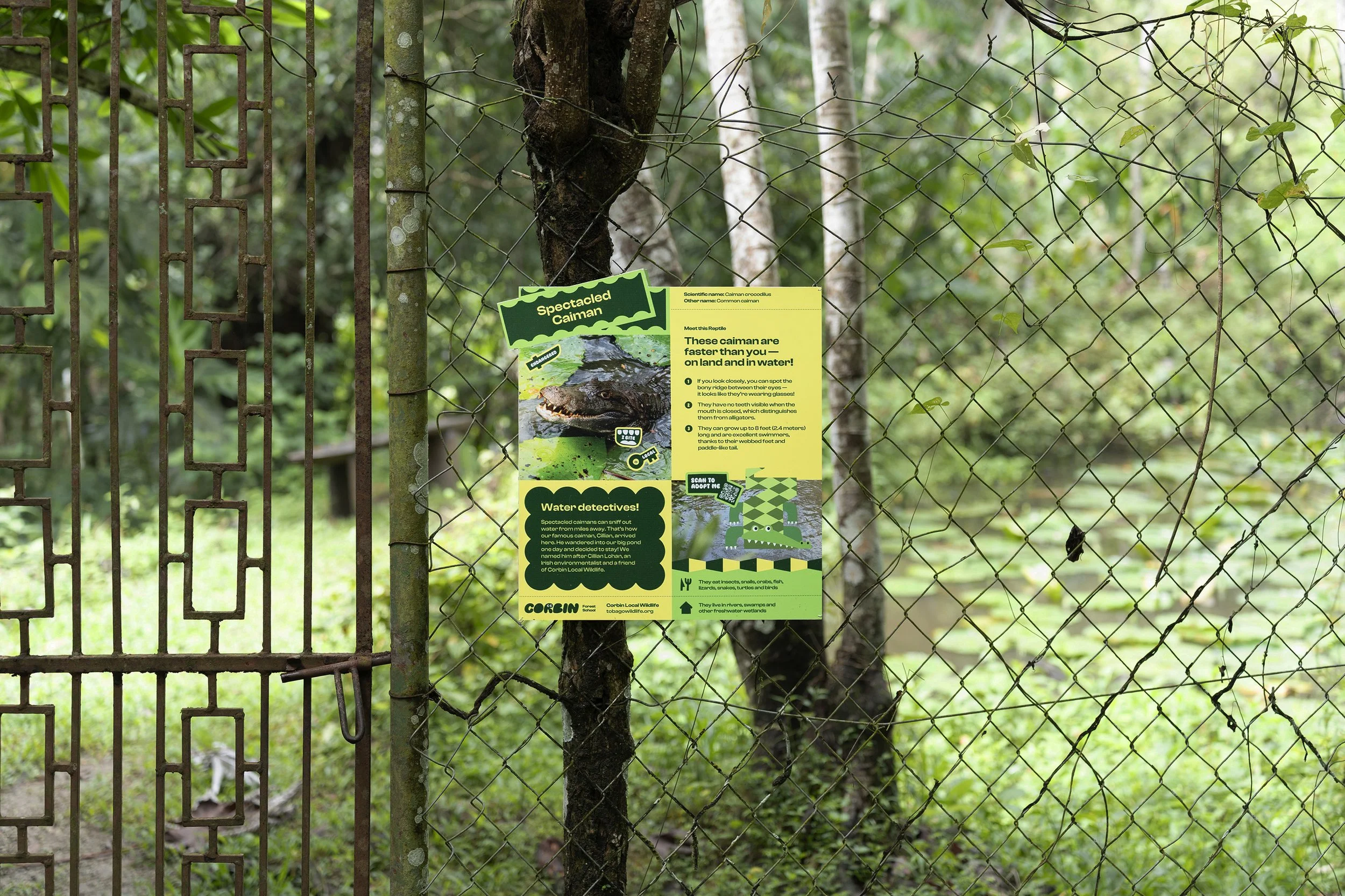
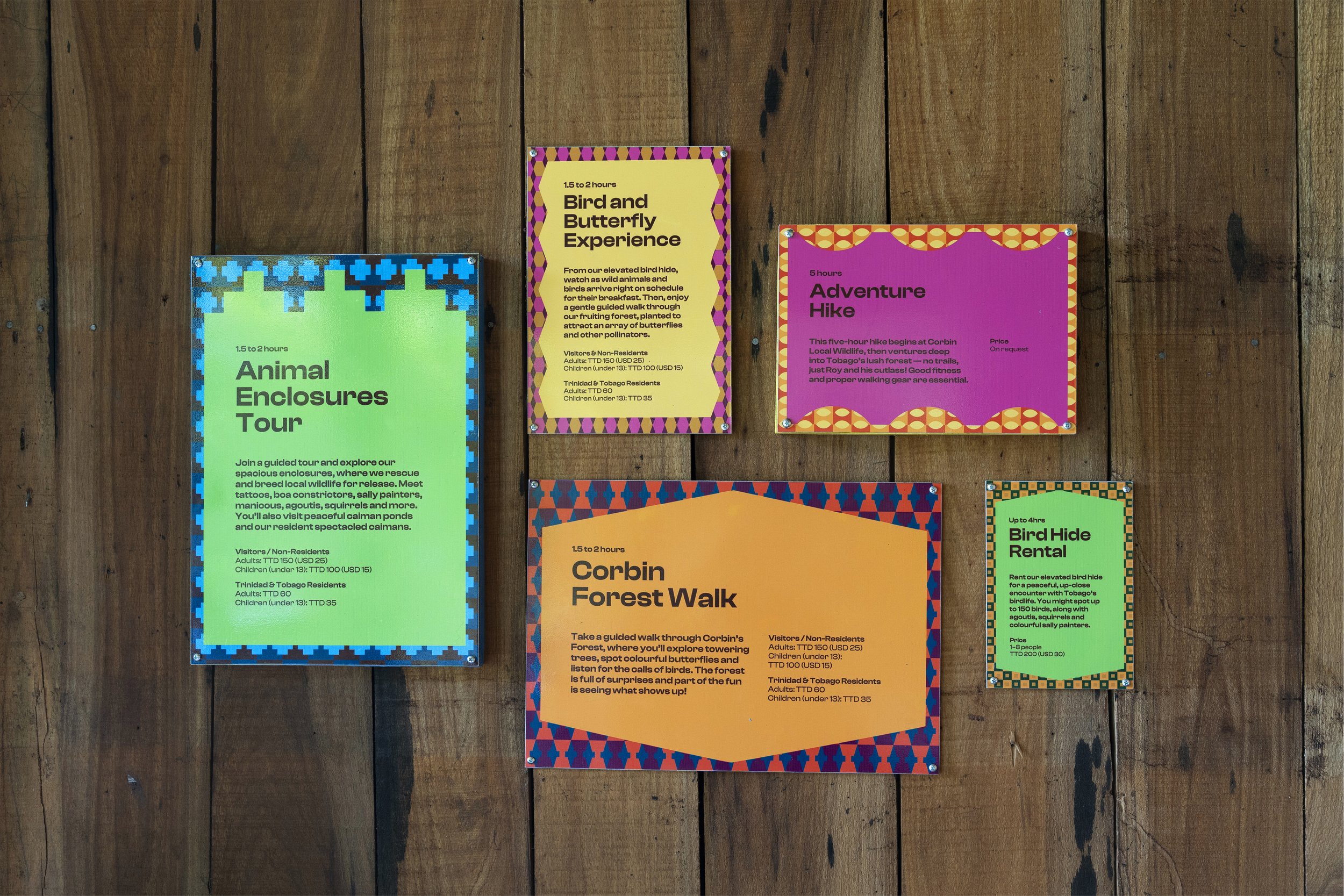
We redesigned the enclosure signage, replacing generic content with fact-checked knowledge.
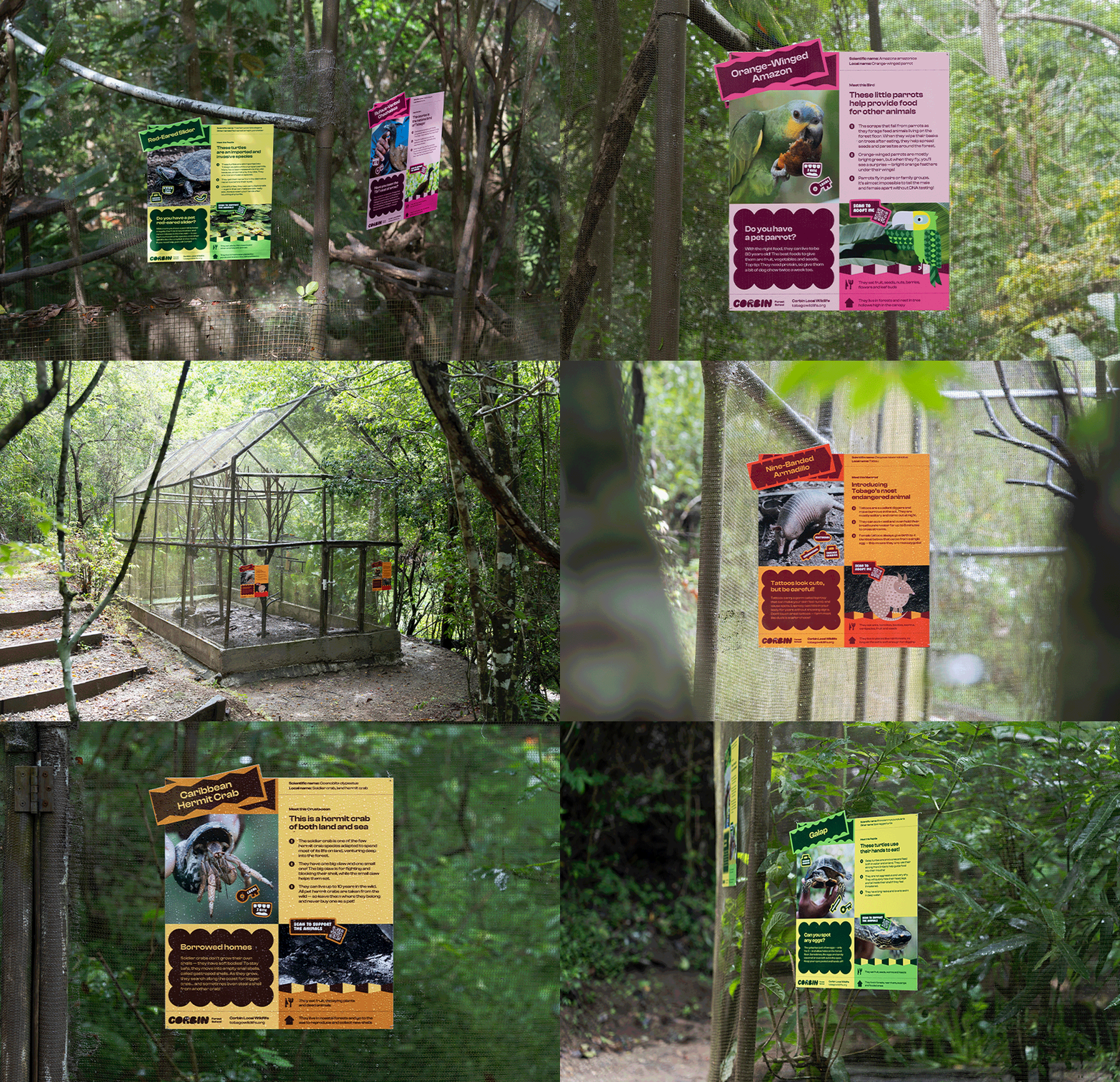
The new signage brings colour into the tour experience, giving visitors something to remember and revisit.

We introduced scan-to-donate QR codes on the enclosure signage.
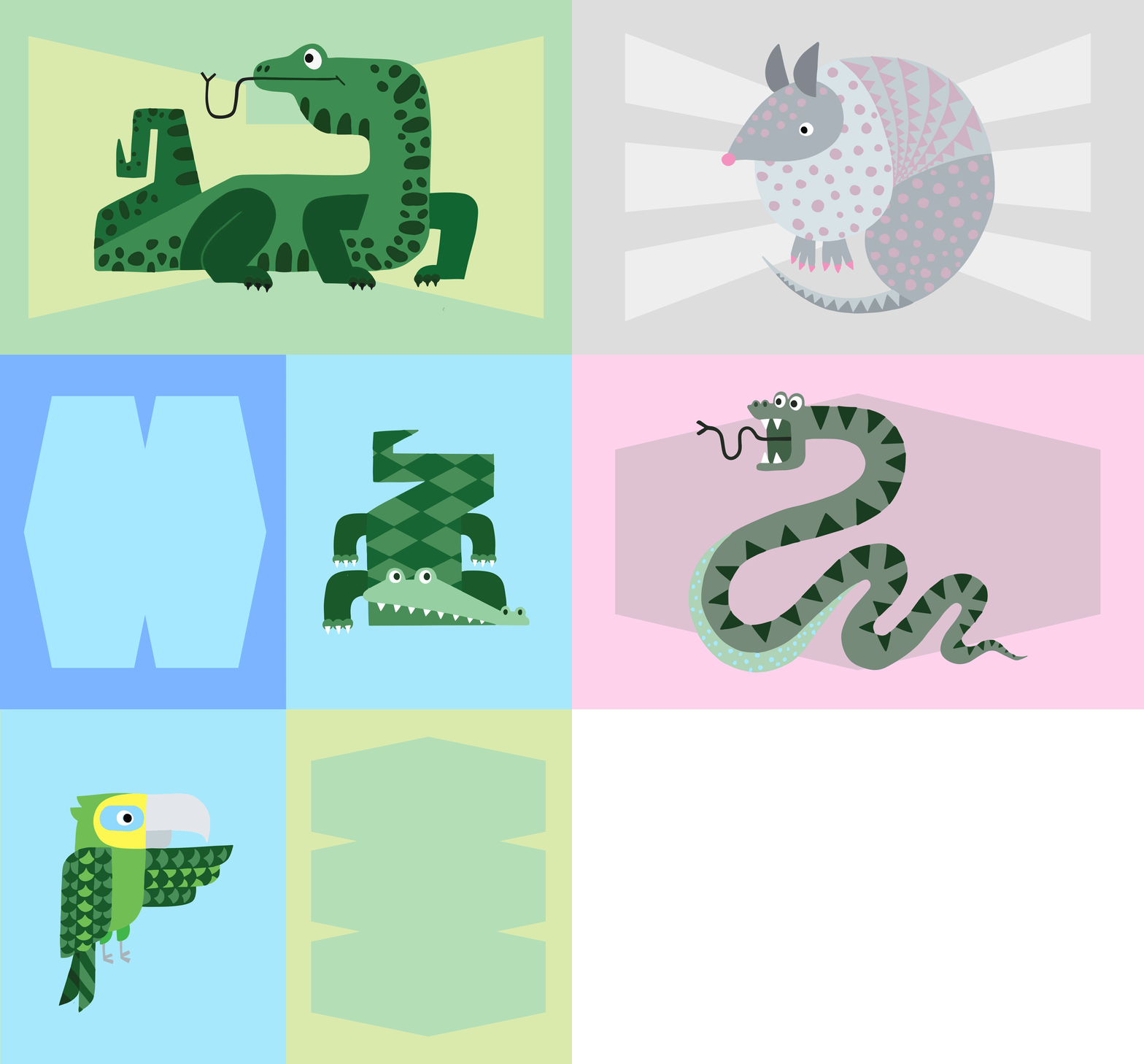
We illustrated native species for use across learning materials.
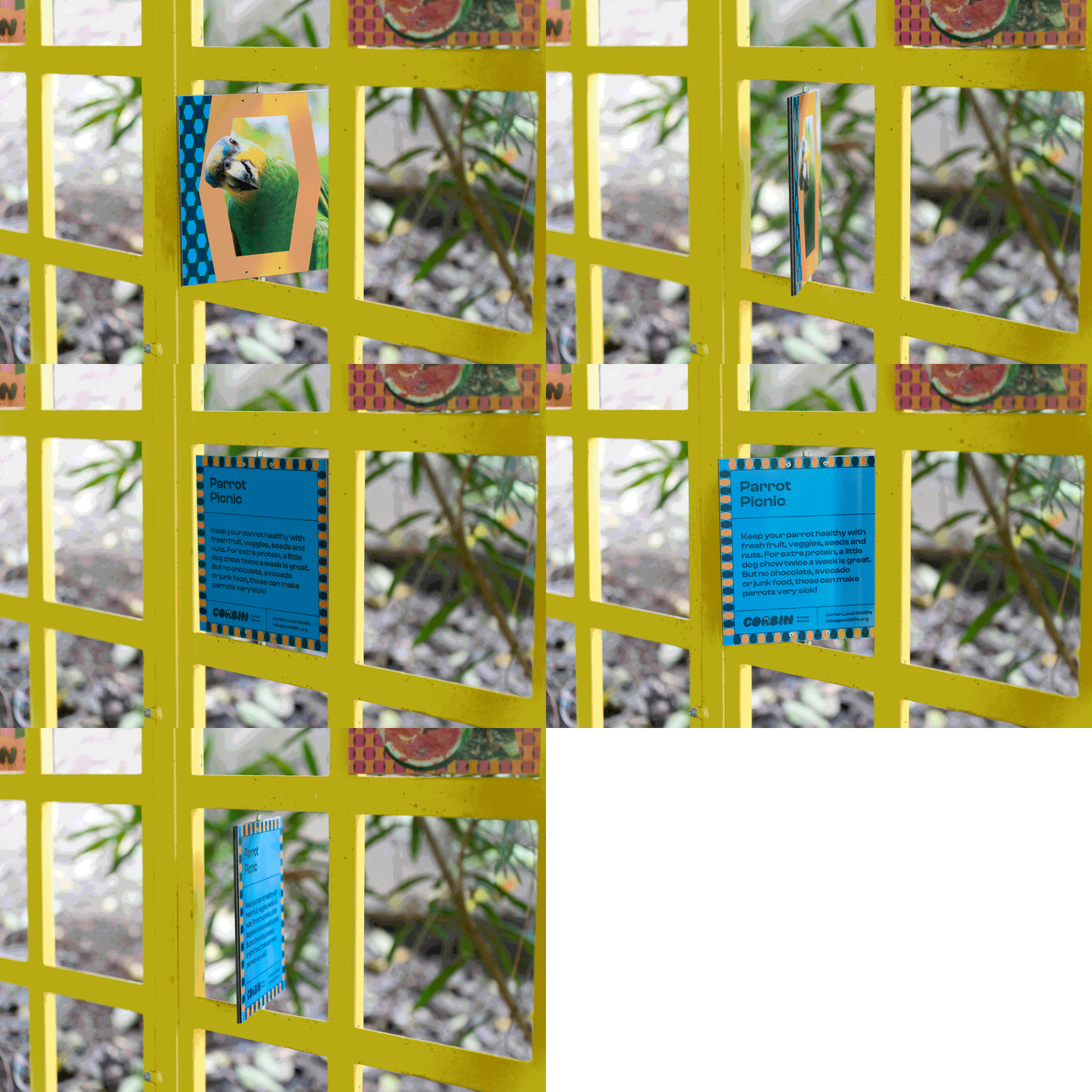
We created an interactive fact wall to share messages about illegal hunting and the exotic pet trade.
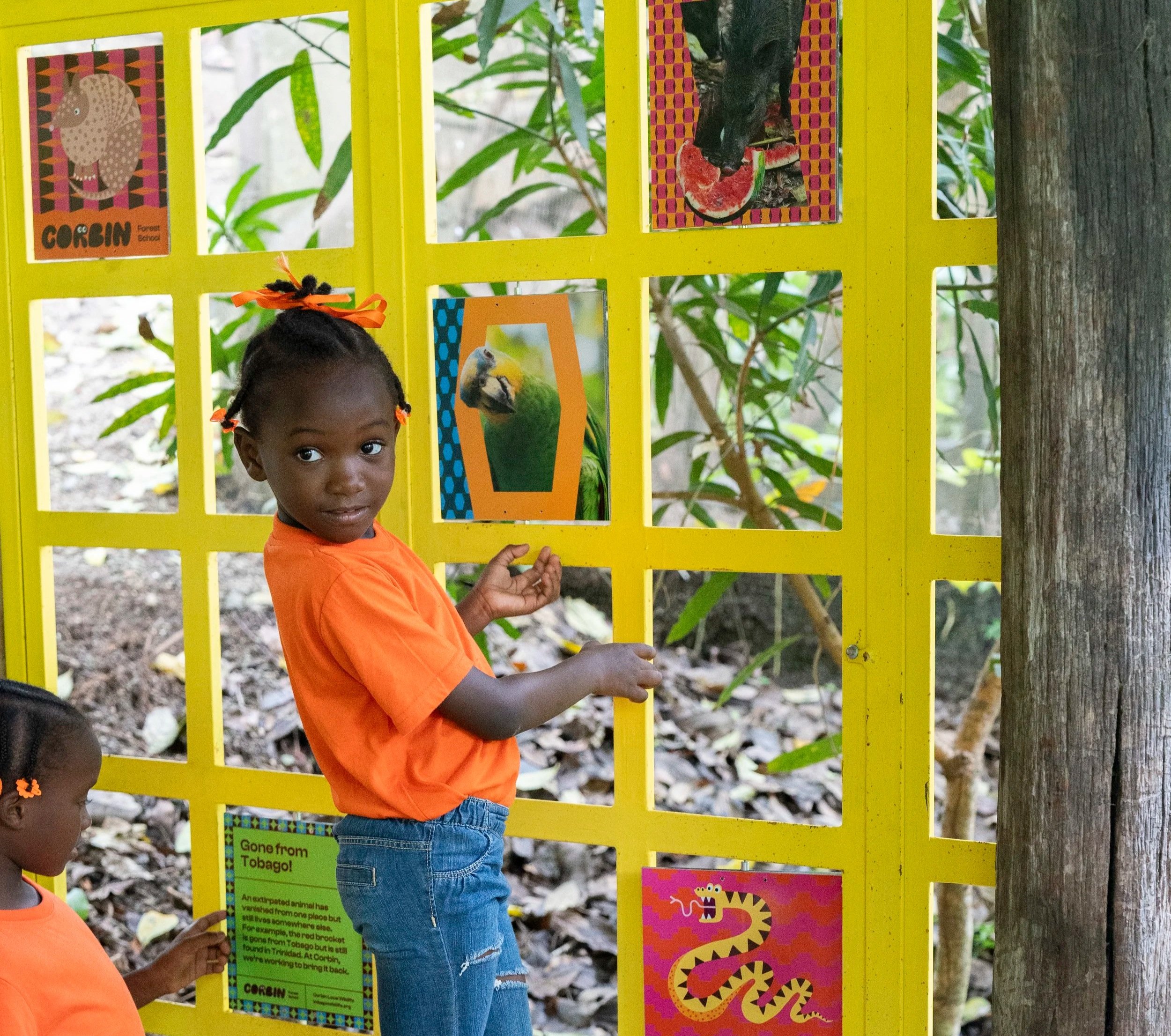
Facts were placed at different heights, with child-friendly messages lower down.
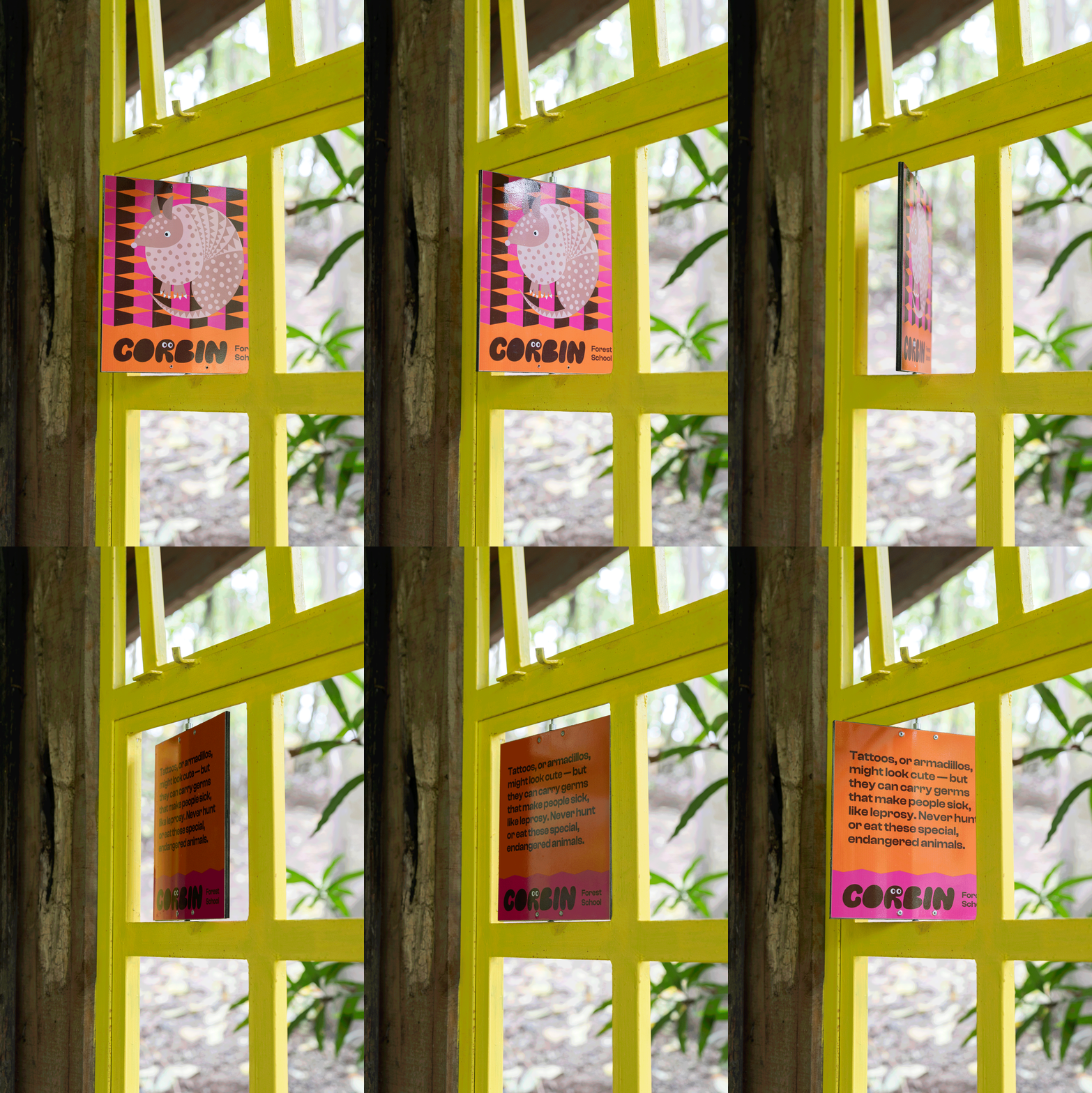
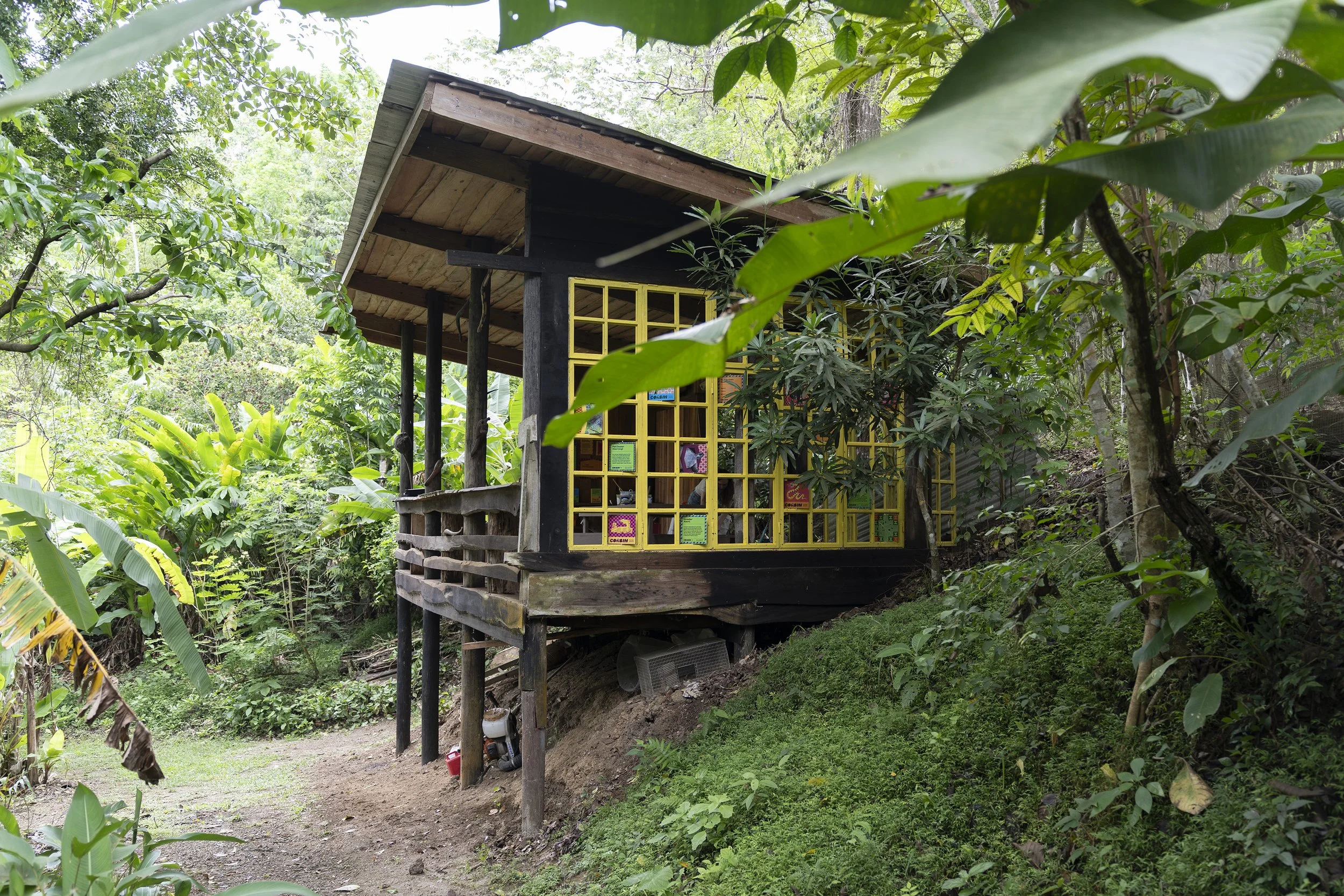
We repurposed existing window frames in the welcome area to house the fact panels.
Donation Pathways
Donating to Corbin Local Wildlife was unclear and unreliable. Details were outdated and buried online and guides didn’t have the information when asked. Visitors wanted to donate, but it wasn’t visible, trusted or easy.
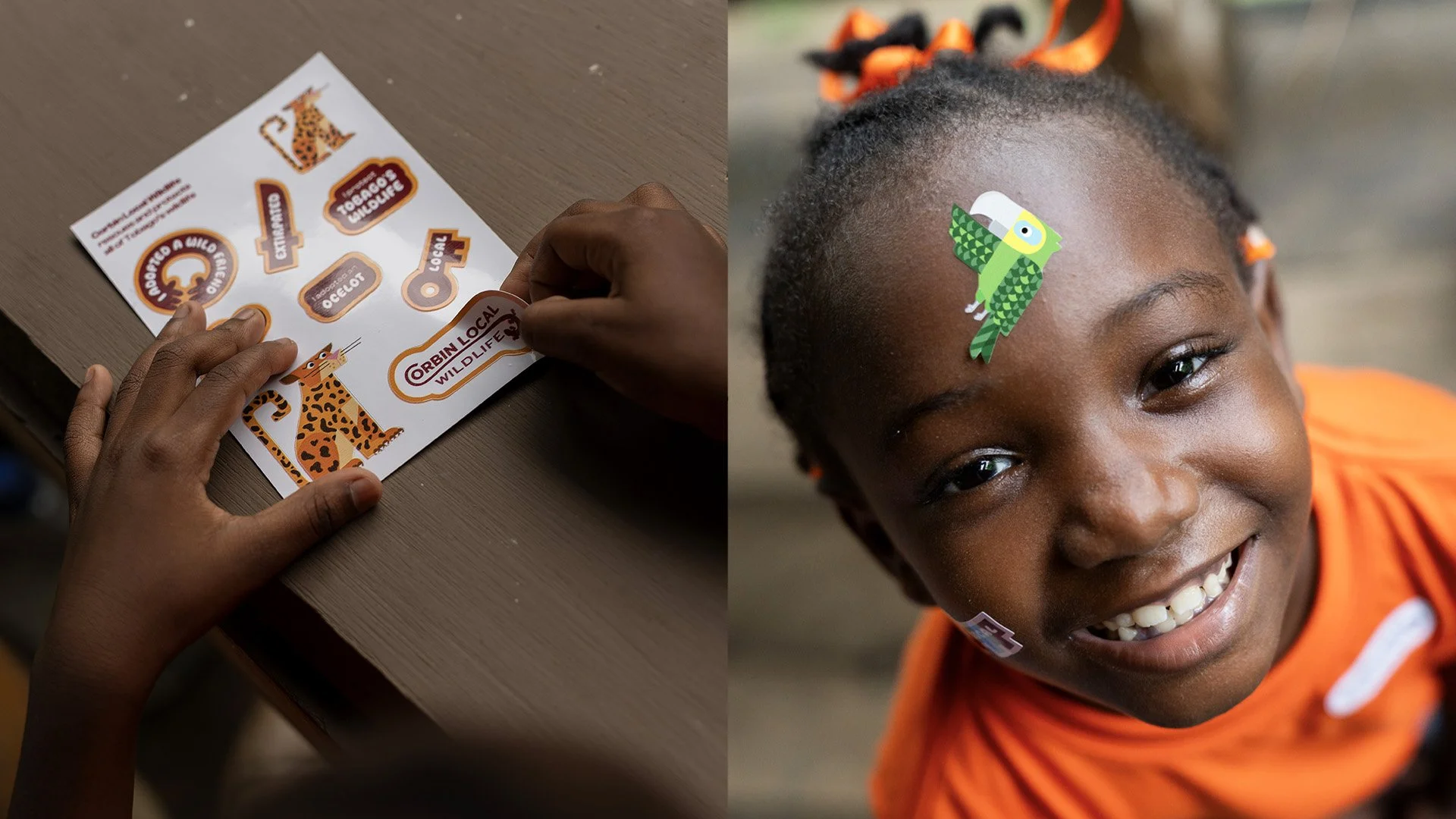
Our work started with recovering the long-lost PayPal account and ended with simple ways to give in the moment. We added QR codes to enclosure signage, donation points in the welcome area and dedicated donation webpages. This was supported by a simple adoption scheme, allowing visitors to adopt an animal through a small donation and receive illustrated stickers and a certificate in return. Try for yourself!
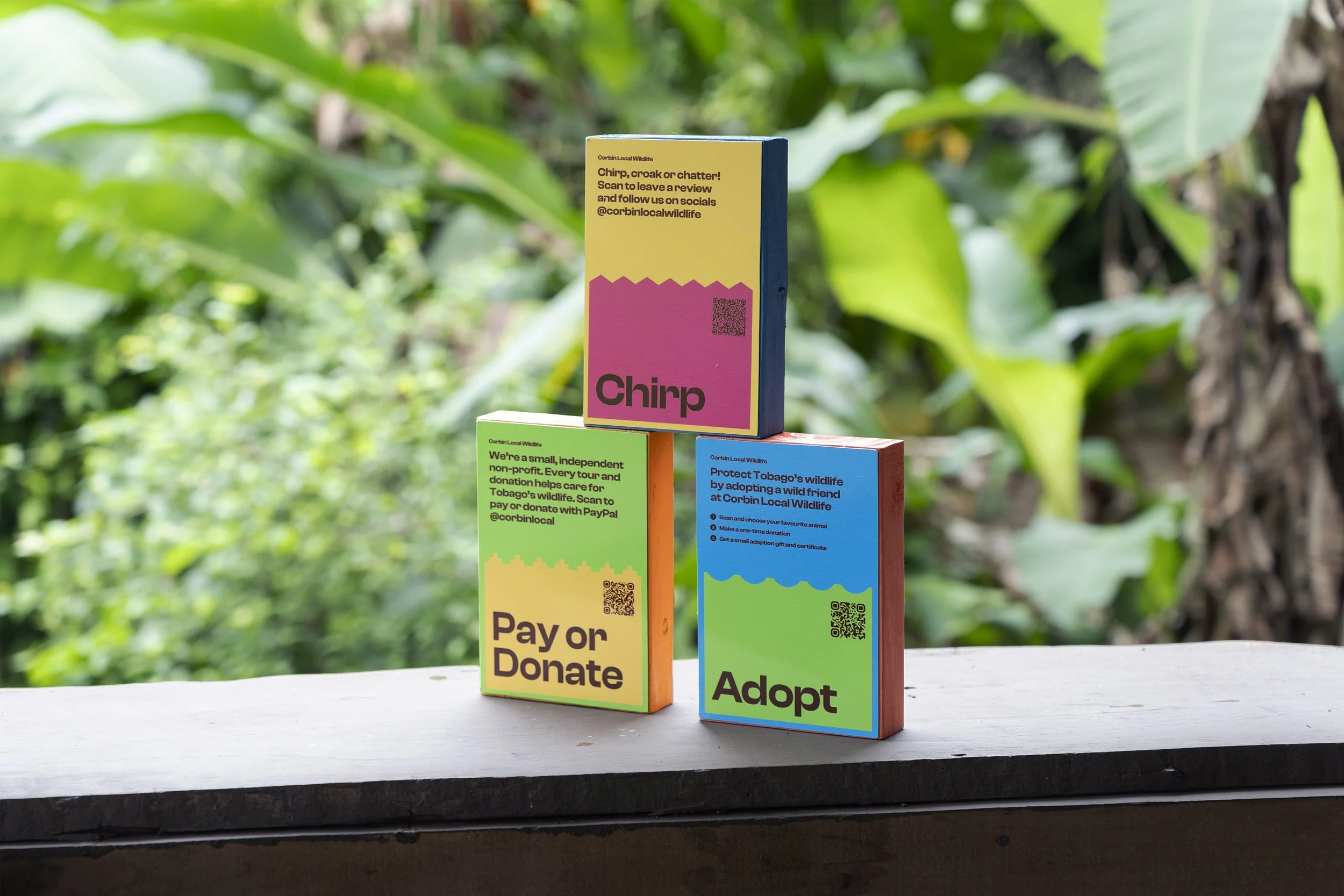
We created info blocks to support donations, adoptions and reviews.
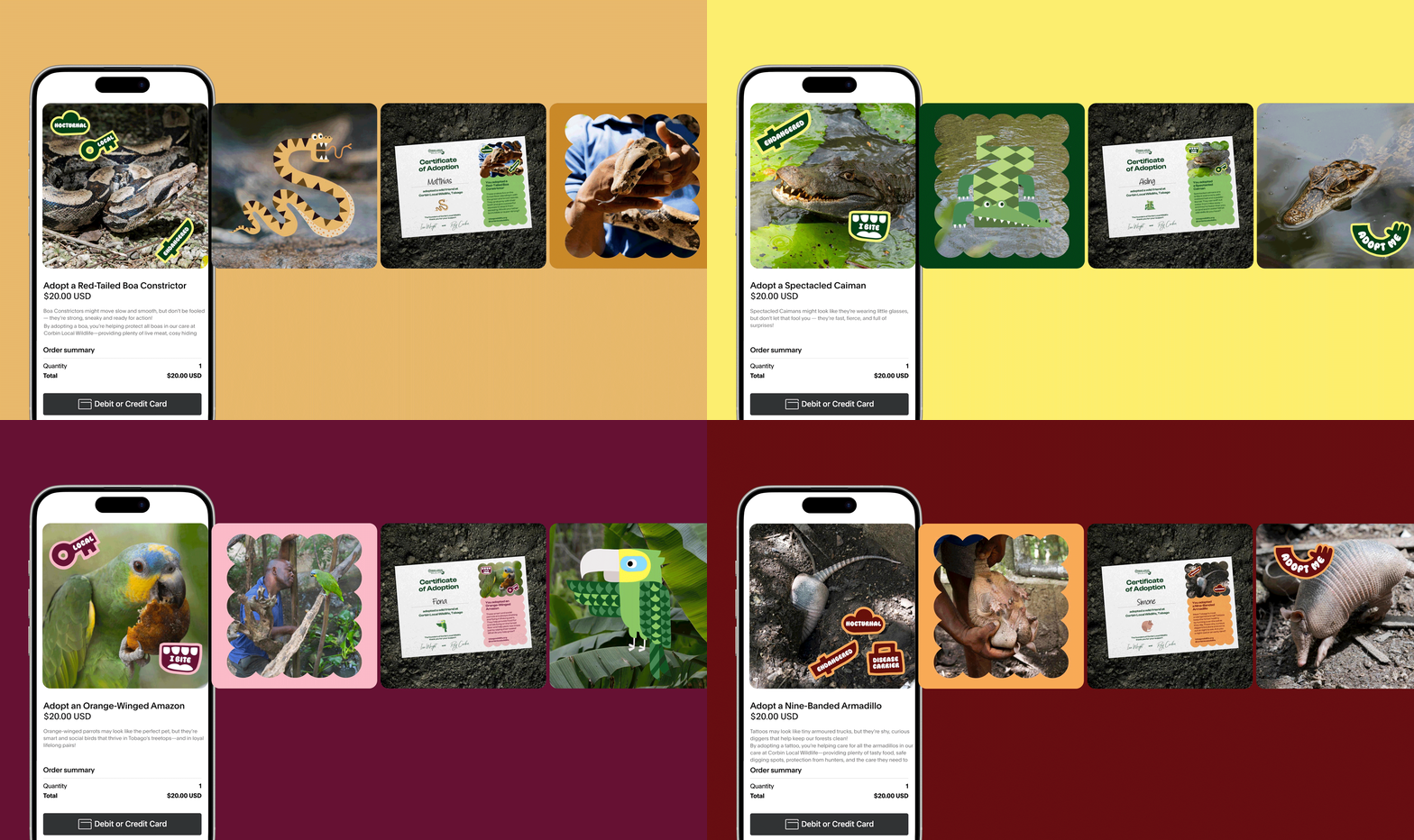
We designed PayPal adoption pages, sharing imagery and information to build trust.
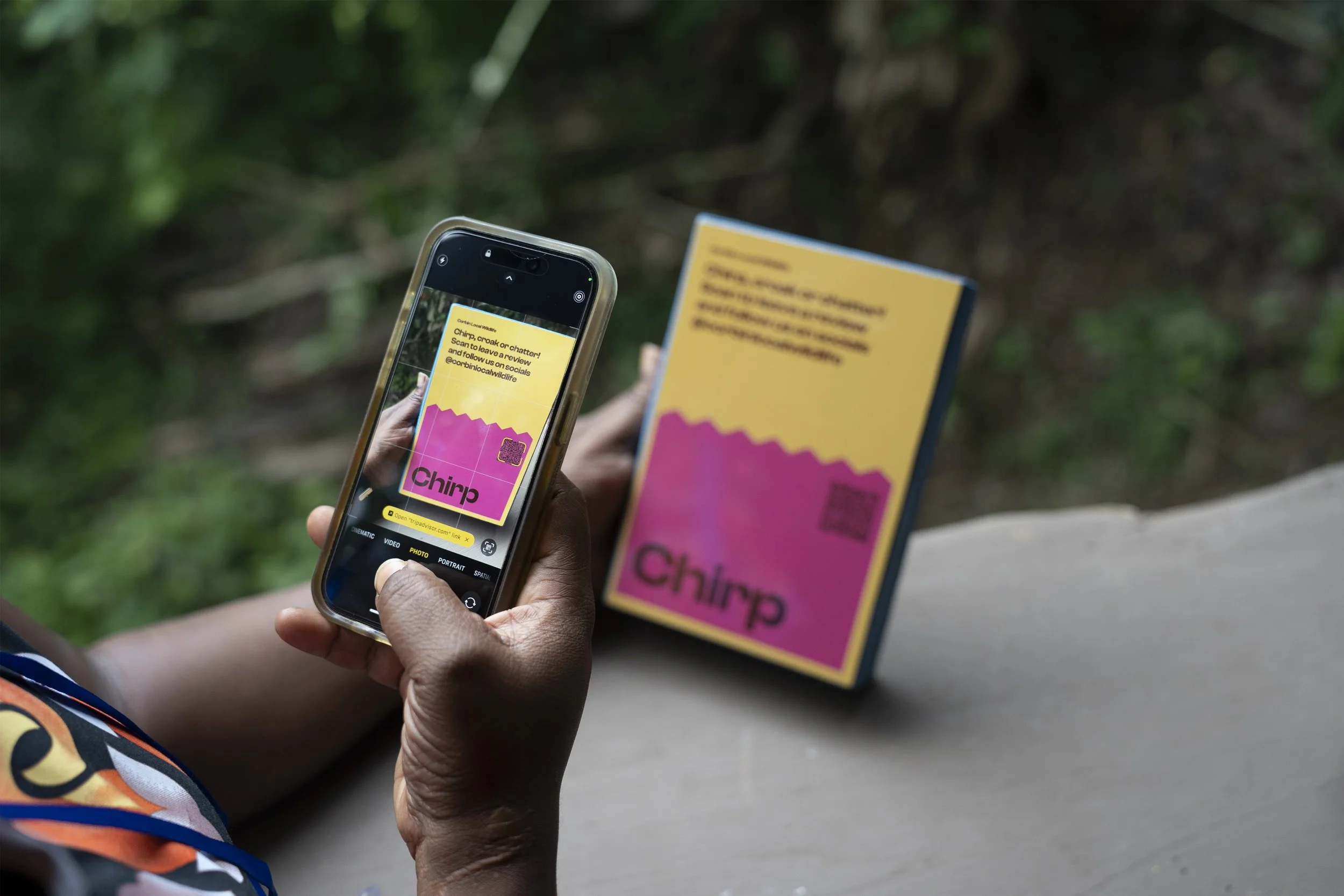
The info blocks were designed to be carried to areas of the reserve with better internet connection to scan and pay.
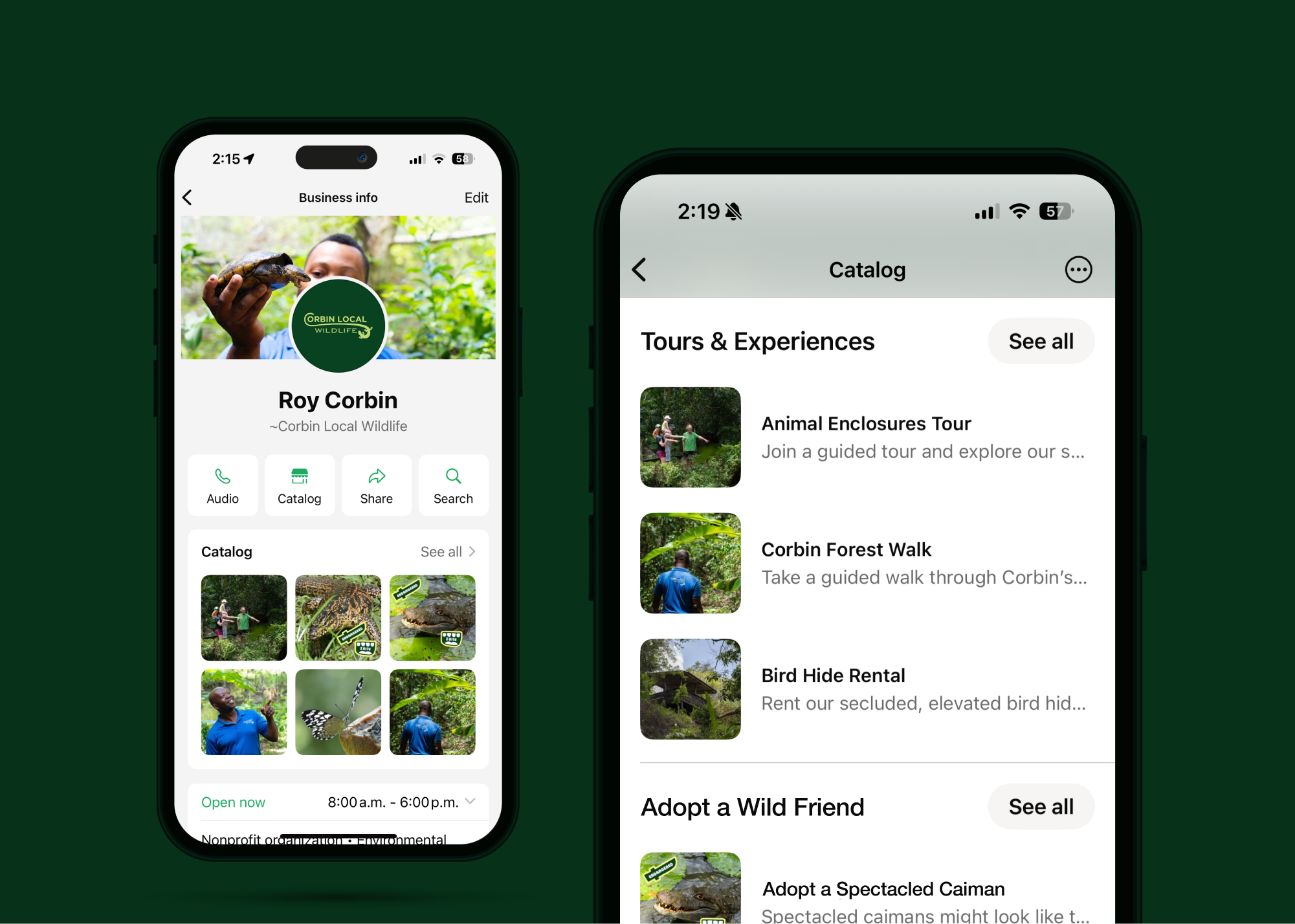
We set up a WhatsApp Business profile to centralise key, sharable information.
The Outcome
Practical, Not Precious
As the team (of 4!) is stretched day-to-day, we prioritised interventions that don’t require constant upkeep, while also leaving editable templates and print guidance should they need them. We documented what was built, what was learned and what could come next, creating a starting point for any future volunteers.
The team is now equipped with tools and systems that support clearer communication, content creation and operational flow. Visitors leave with a stronger understanding of Corbin Local Wildlife’s work and more tangible ways to support it.
Unexpected Learnings
-
Working to Tobago-time required adjusting not just our timelines, but our assumptions about progress and value. At one point, we were told that if nothing was completed, that was okay — as long as what we learned was documented for someone else to pick up later. For us, this raised difficult questions, who would that person be, and what value would unfinished work hold? Learning to sit with that cultural tension, and still find ways to deliver value without forcing pace, became part of the design challenge itself.
-
As designers, we spend a lot of time shaping user experiences — but this project brought us face to face with an extreme user: a 79-year-old man, surprisingly tech-literate, curious and full of questions. Seeing digital experiences through his eyes was a reality check, from explaining hidden scroll areas to less-obvious text fields. It was a reminder of our responsibility to design for real people, not just for our experience of the world. This exchange of “dinosaur questions,” as Ian likes to call them, still continues remotely.
-
In our experience, progress in Tobago often moved through careful steps, introductions, approvals, and sometimes meetings about meetings, before anything could shift. In a place where a large portion of work is shaped by public-sector and state-linked systems, that structure showed up in everyday communication too. When we tried to move too quickly or skip the queue, we often heard nothing back. Respecting the process, and working with it rather than around it, became a huge learning for us.
Our impact
“Their ability to grasp our weaknesses and not only come up with solutions, down to the finest details, but to make their solutions accessible to us with our limited skills was quite remarkable.”
Ian continued to say “Like many NGO’s we were punching above our weight. Now, all the folk coming without cash are using PayPal with no problems. Previously, that was a huge problem for us!”
“The girls were a breath of fresh air from the moment they arrived. Their practical but visually inspiring work has opened up a new world for us to share with our visitors.”